
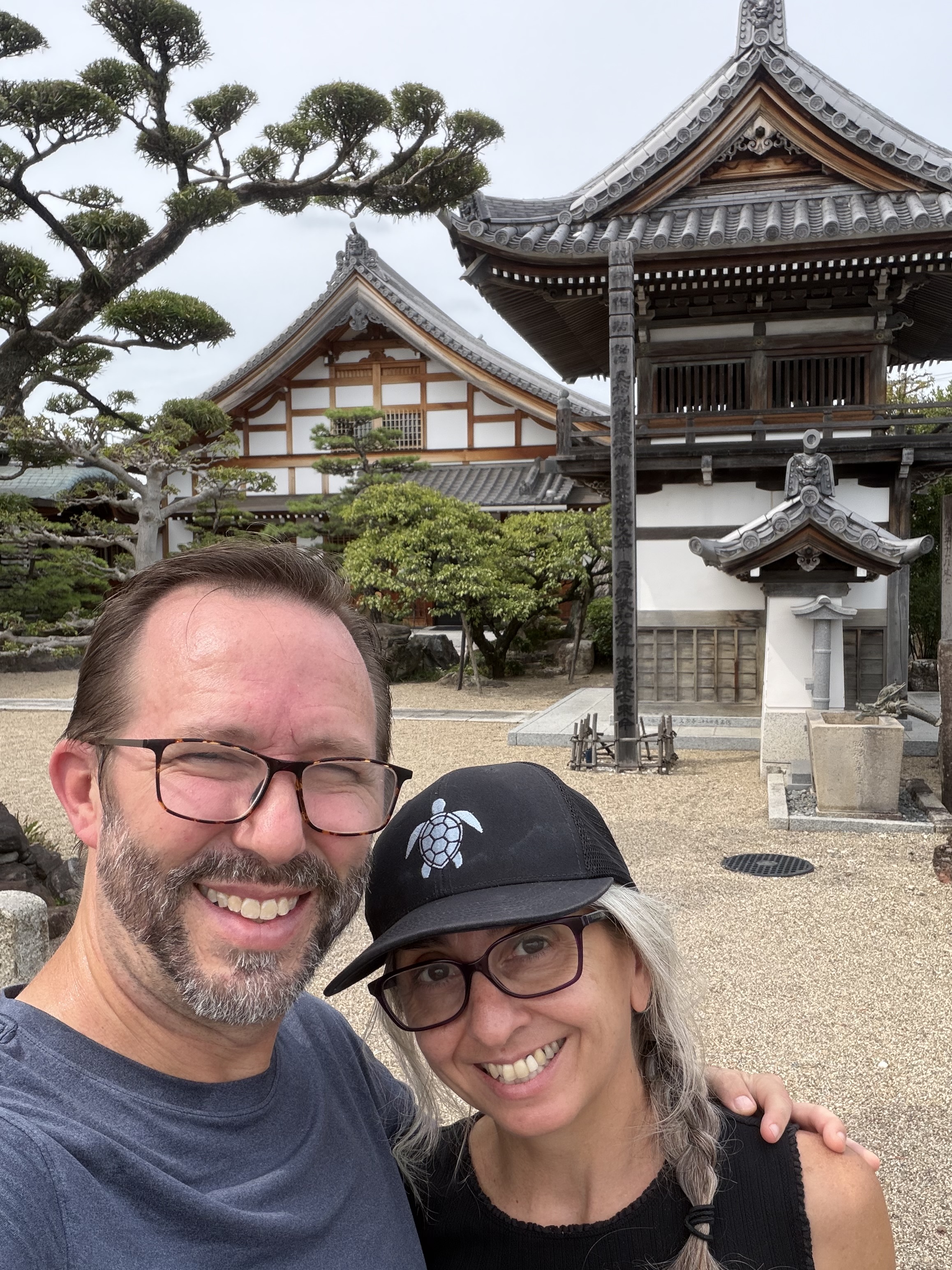
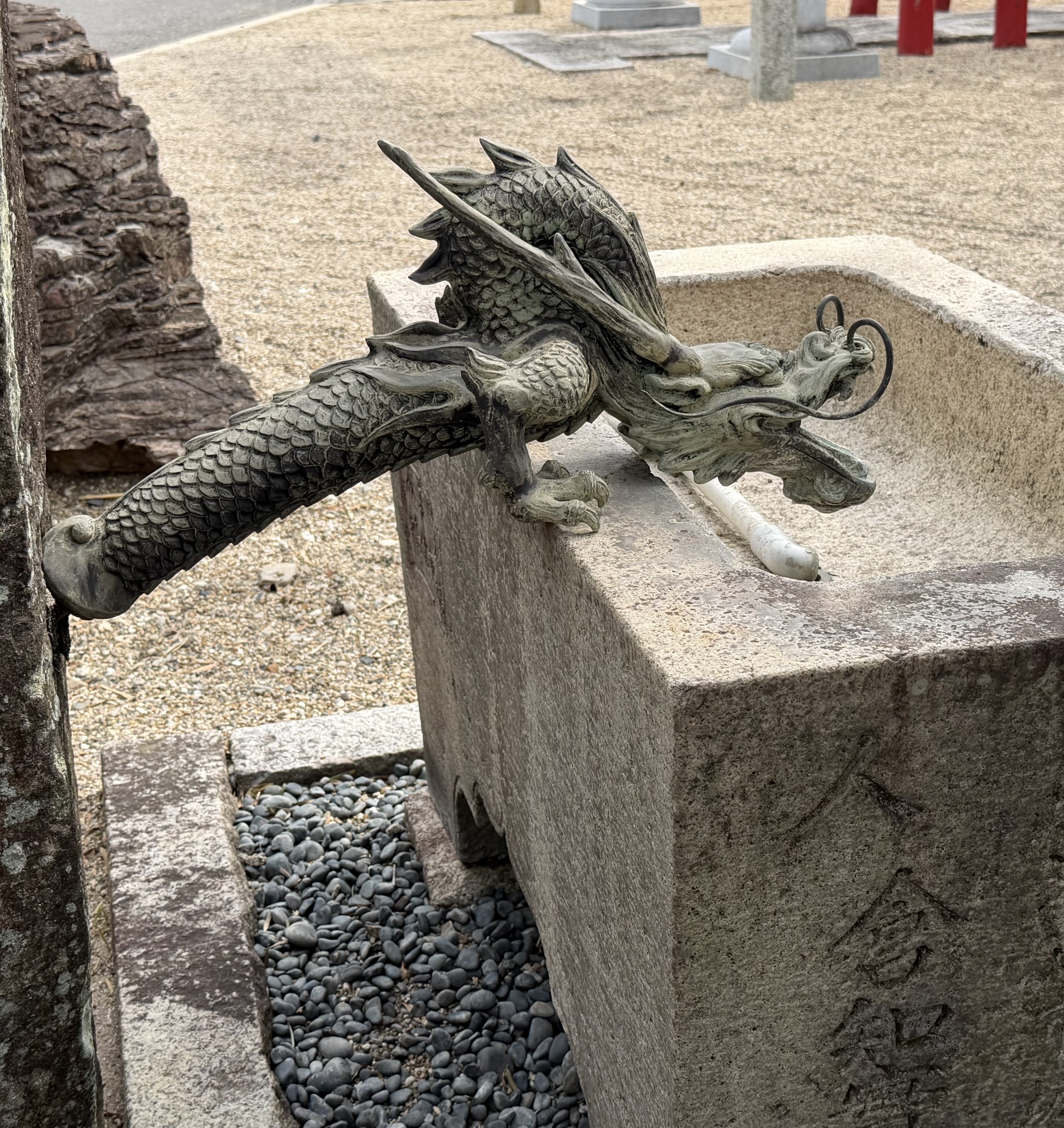
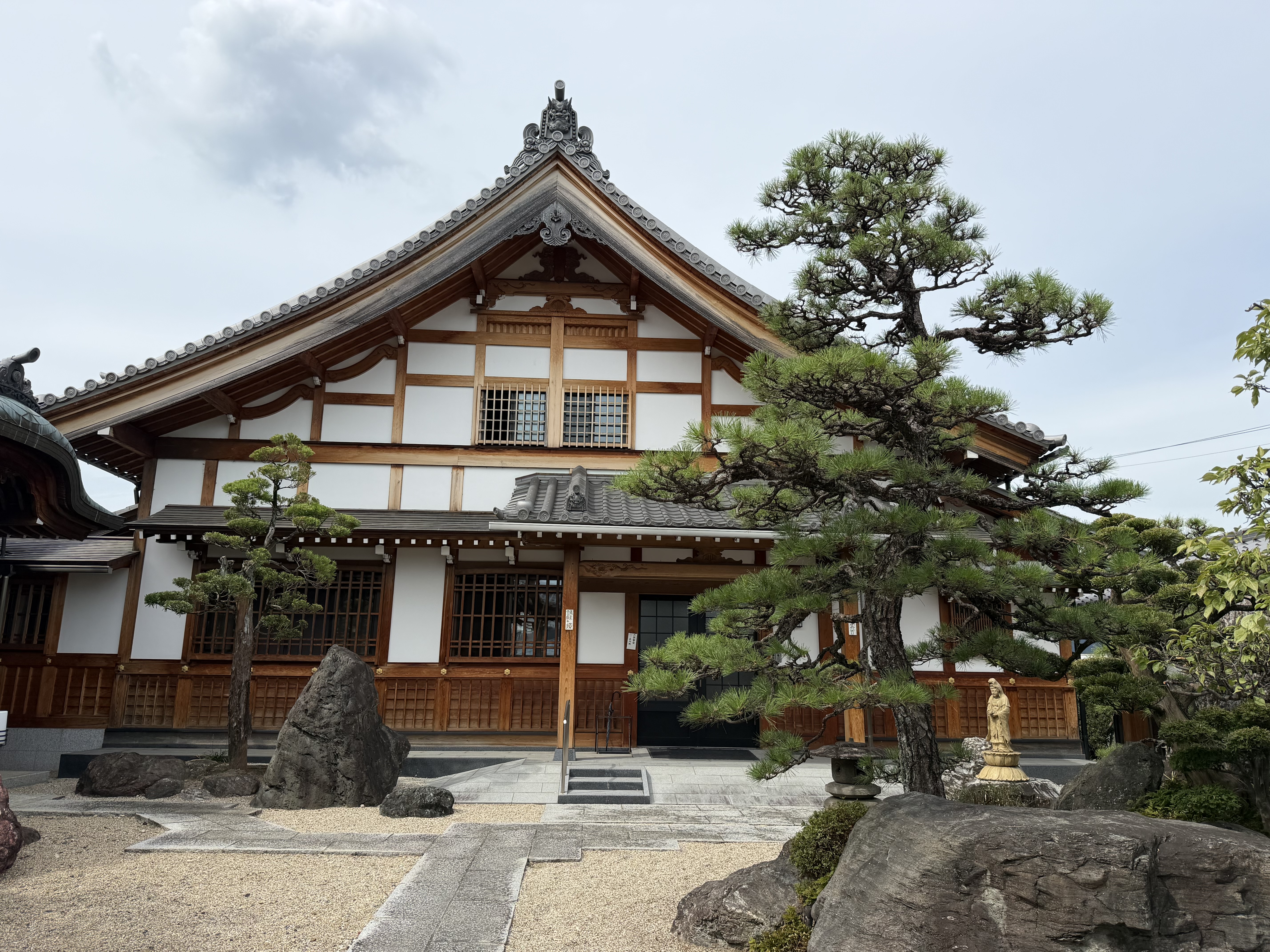
Nestled right here in our neighborhood in Moriyama Ward, Kyushin-ji Temple is a nice reminder that you don’t have to travel far to find a moment of peace. Back when we weren’t quite comfortable driving in Japan yet, we enjoyed the quiet stroll to it, and now that we are on the road, we love driving by it for a quick, daily reminder that life can be calm even on a busy day. This hidden gem offers an authentic, unassuming slice of traditional spiritual life right in our own backyard where people still worship & practice Buddhism. Tucked away near the Shonai River valley, it features simple wooden architecture, a quiet courtyard, and a profound sense of stillness that shuts out the noise of the city. It is the perfect place to slow down, take a mindful pause, and appreciate the serene, hidden beauty that lives just down the street from us.
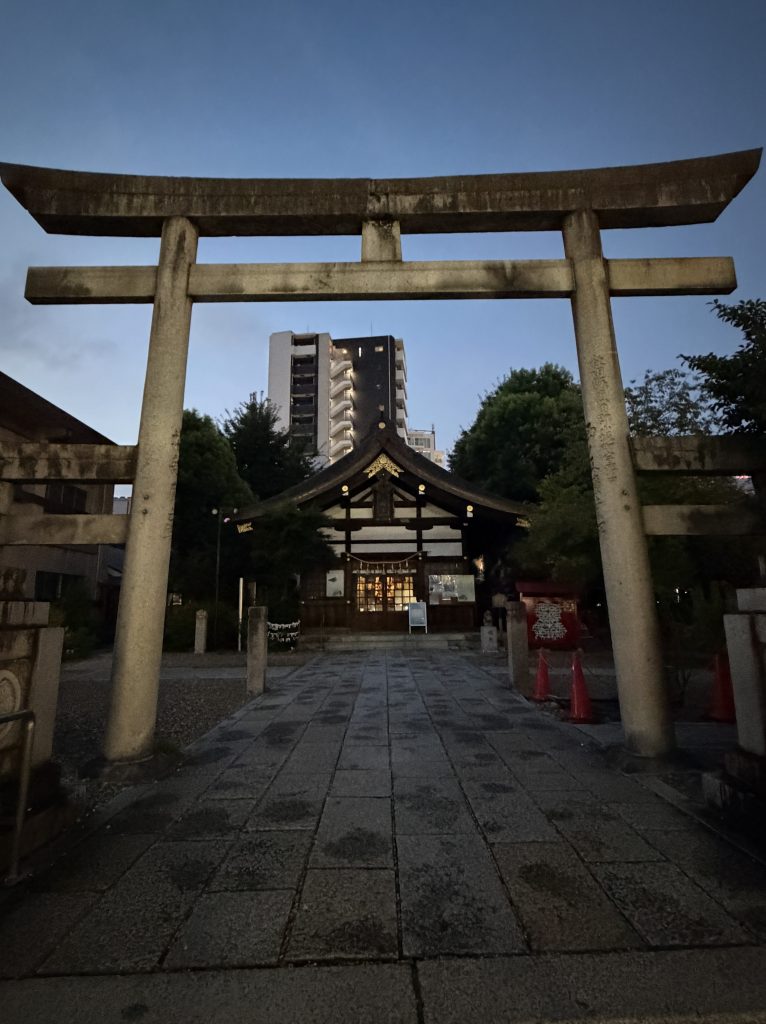
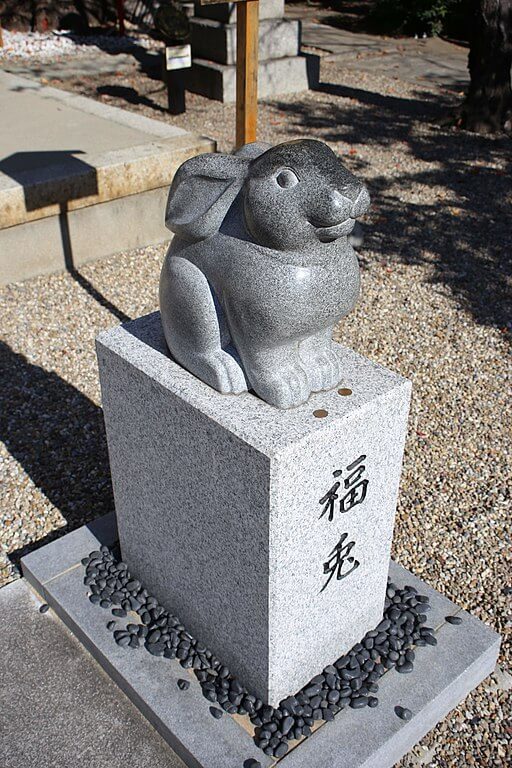
Another spot we stumbled upon is Miwa Shrine, a charming, historic Shinto sanctuary tucked away in a quiet backstreet of the Osu shopping district. Known to locals as Nagoya’s “Rabbit Shrine,” the grounds are centered around these fluffy deities, making it feel like a whimsical fairytale hidden right in the middle of the city. Visiting at night was a treat after the crazy bustle of the Osu shopping district. The lanterns cast a lovely glow over the courtyard’s triple-torii gate. Our favorite part was stopping by the stone rabbit statue, the Shiawase-no-Nade Usagi (the Petting Rabbit of Happiness). We enjoyed rubbing its smooth stone body for some extra good luck and happiness, a sweet local tradition that made the evening feel extra-special.
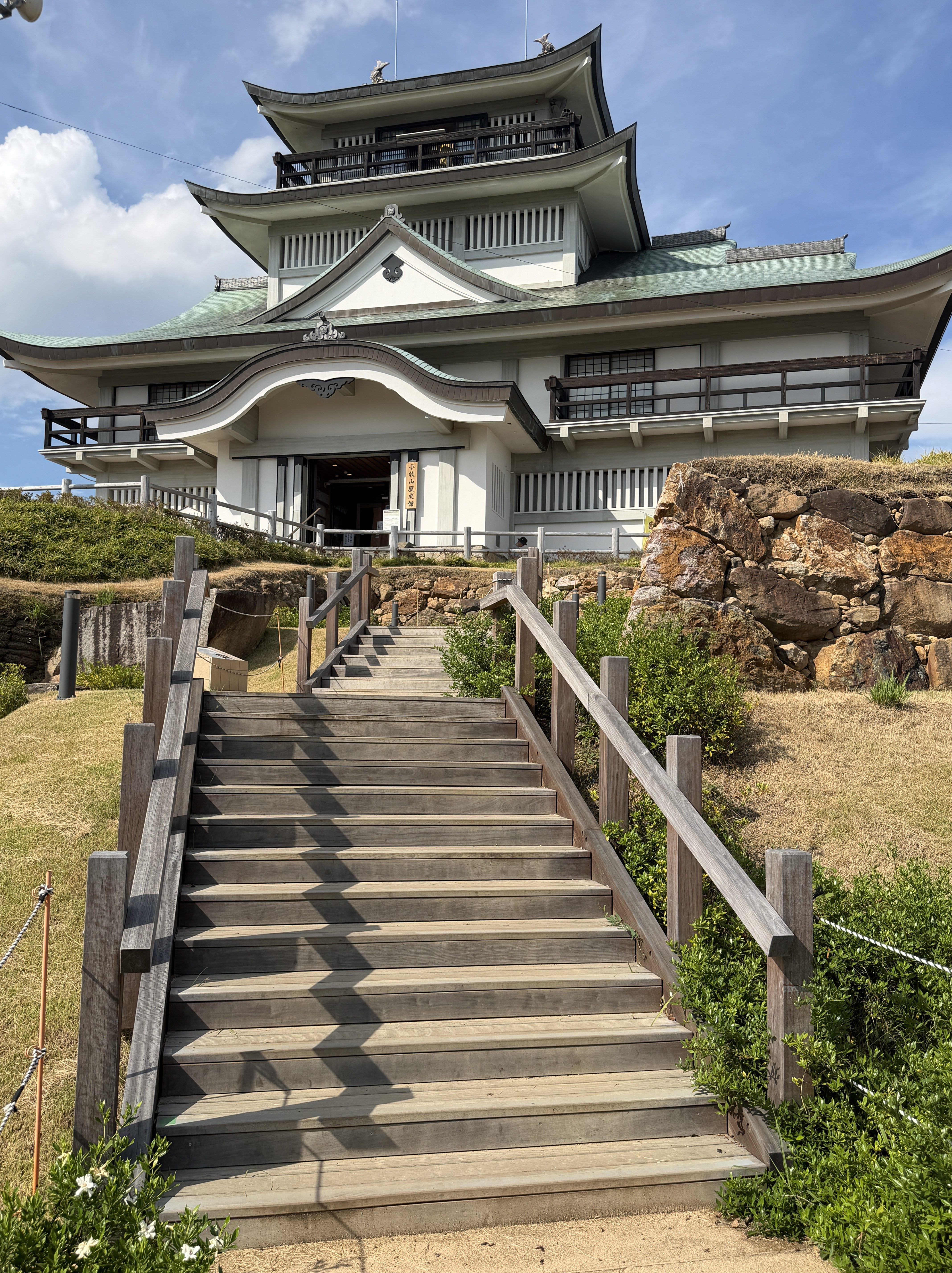
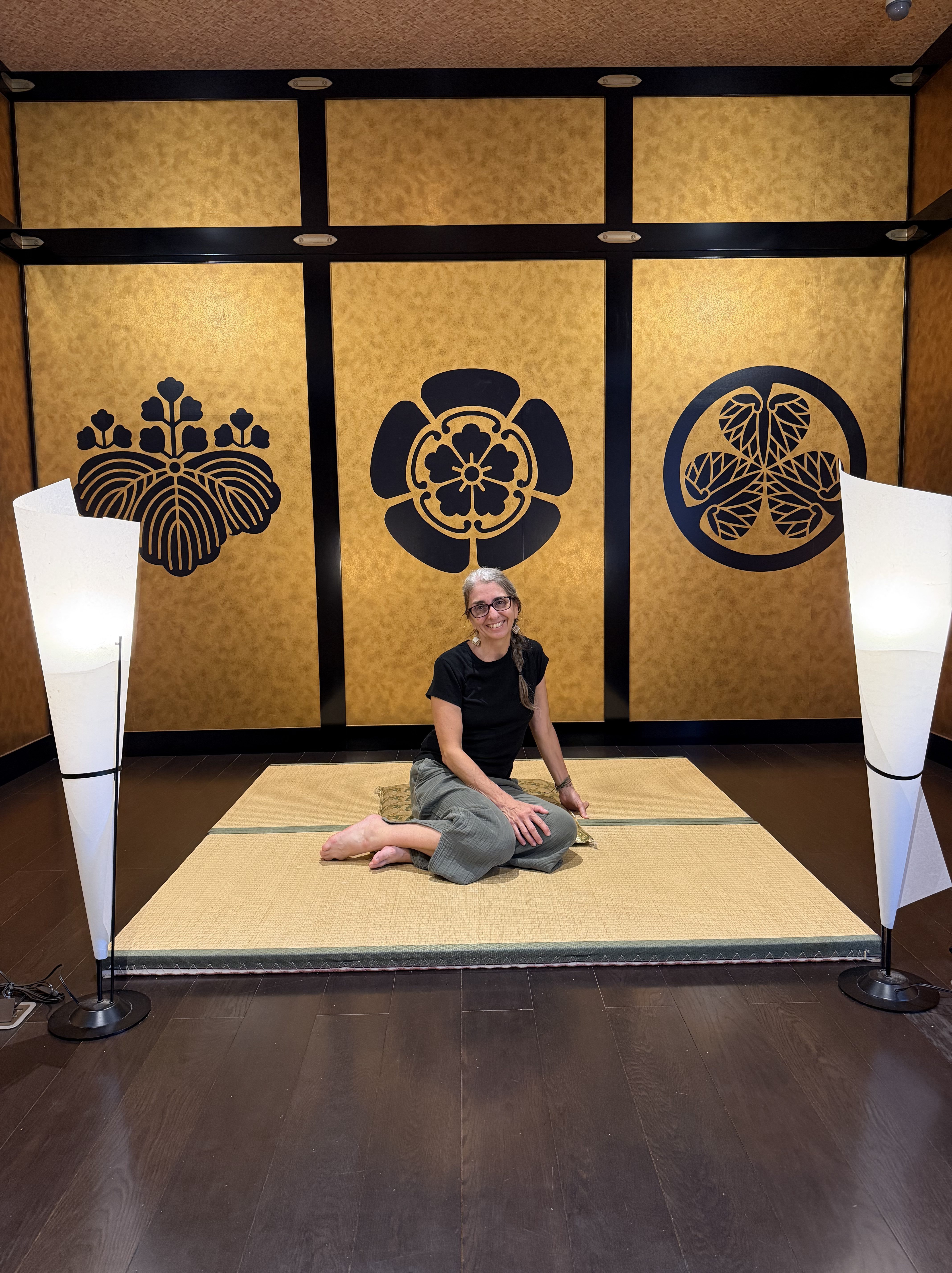
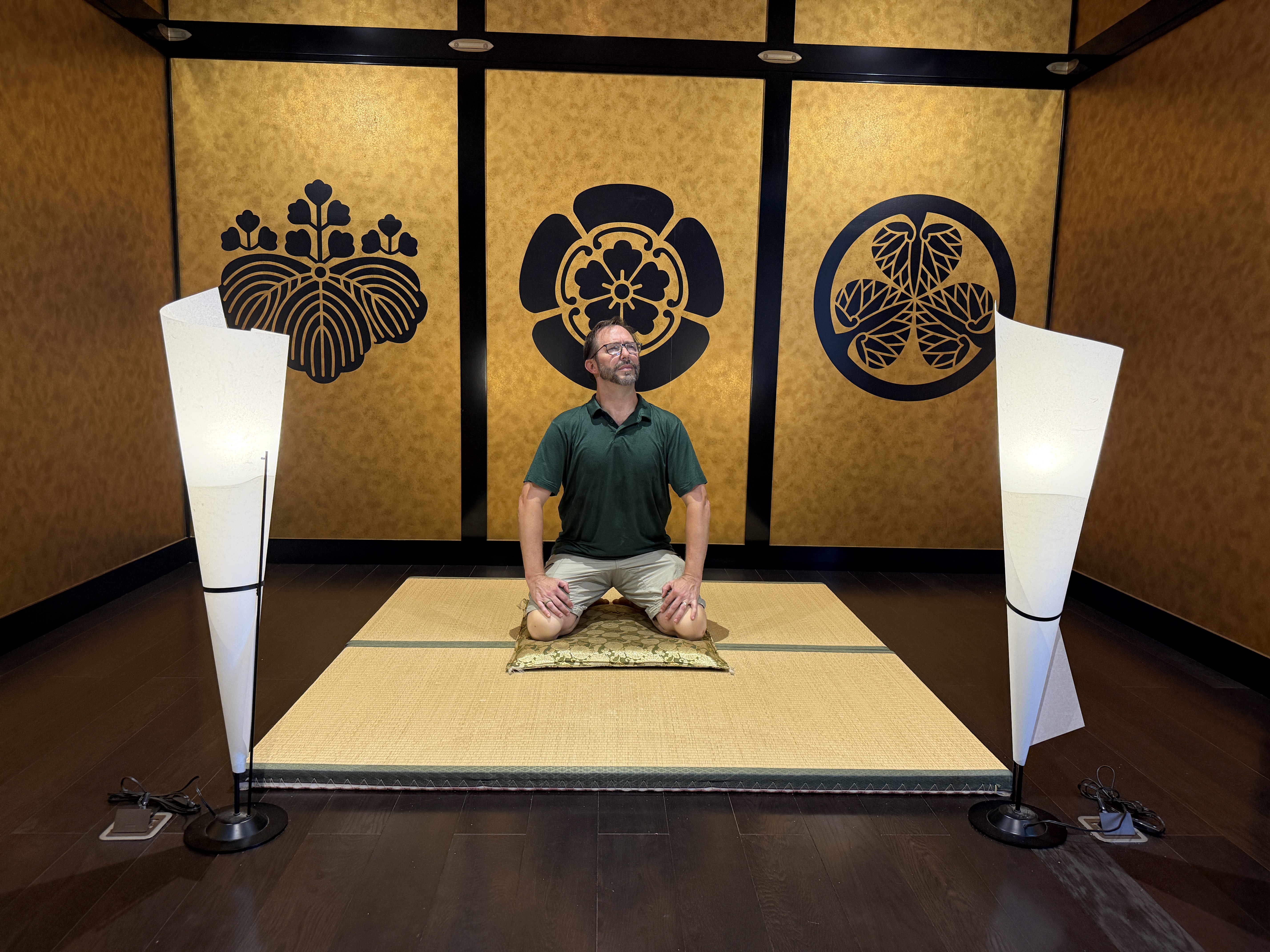
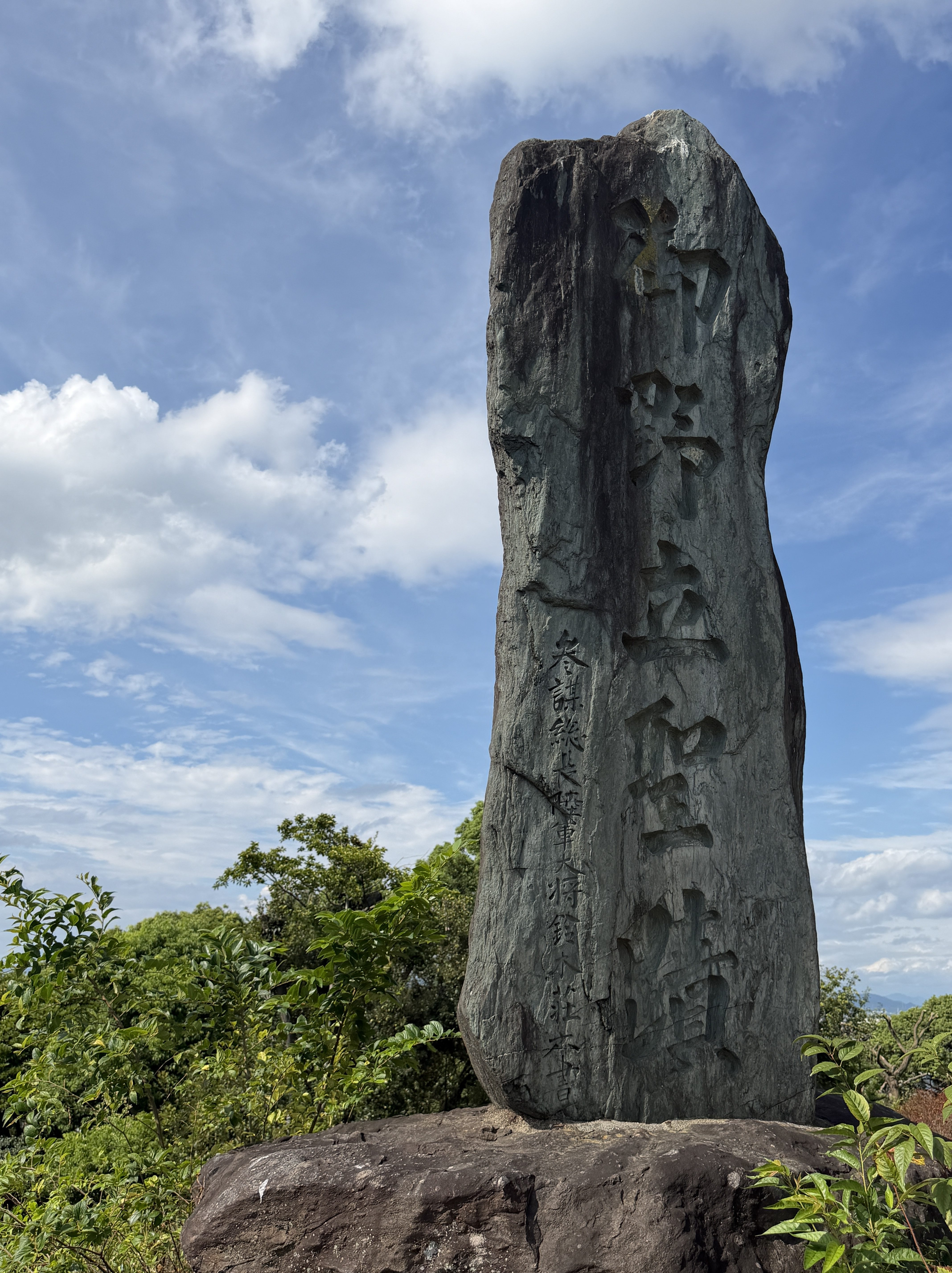
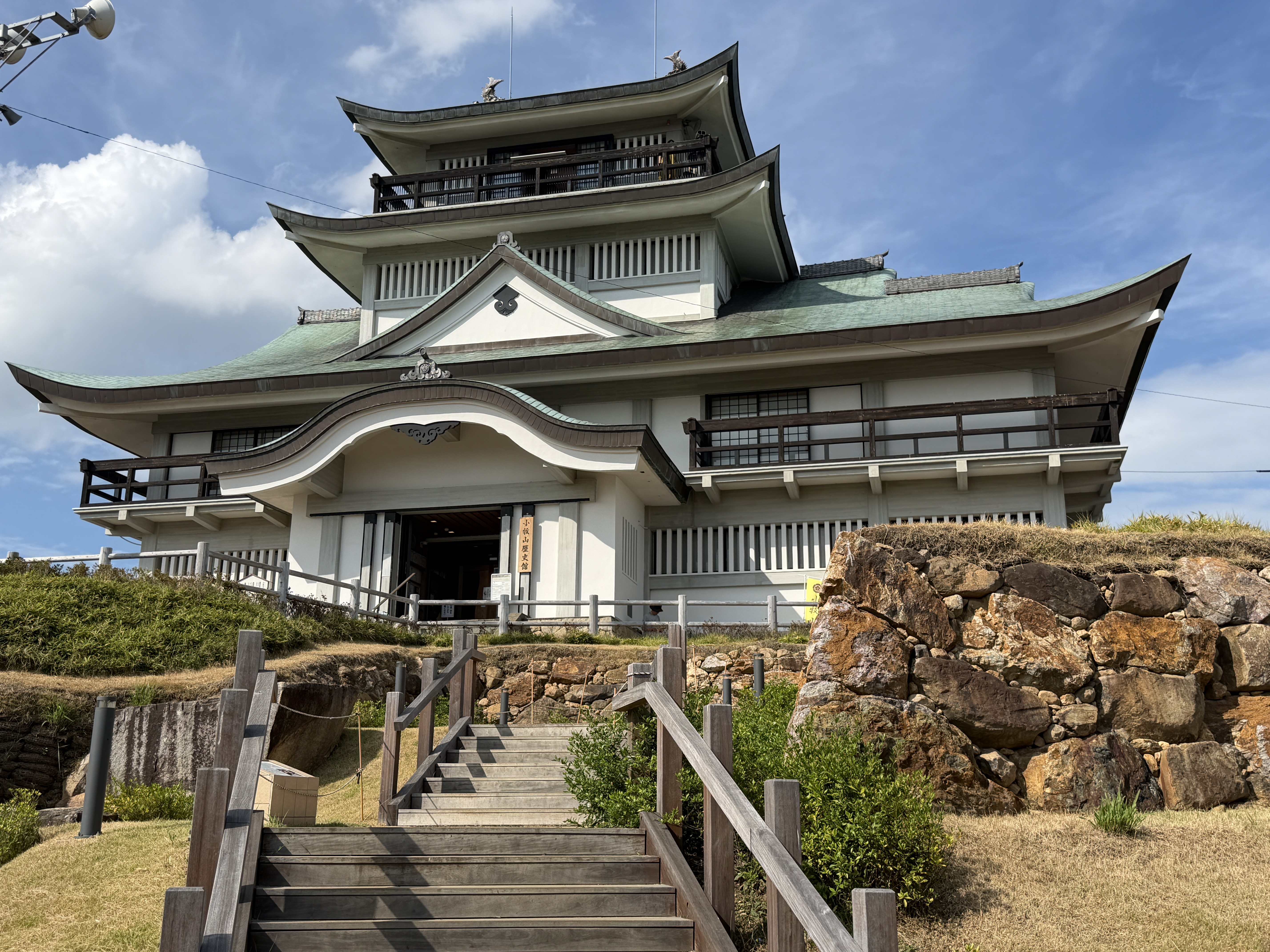
Just north of where we live, Komakiyama Castle offers a strong connection to Japan’s national history. We hiked up the wooded trail to the historical museum at the summit, which is built to look like a traditional castle tower. Beyond the walk, the true value of the museum is its focus on the three great warlords—Oda Nobunaga, Toyotomi Hideyoshi, and Tokugawa Ieyasu—who were the central figures in the unification of Japan. The exhibit outlines how this specific hill served as a critical strategic base during the Sengoku period (in the 1500s), directly shaping the military campaigns that ended decades of civil war. Seeing the artifacts and tactical timelines makes you realize that the peaceful park you are walking through today was once the literal turning point for a unified nation.
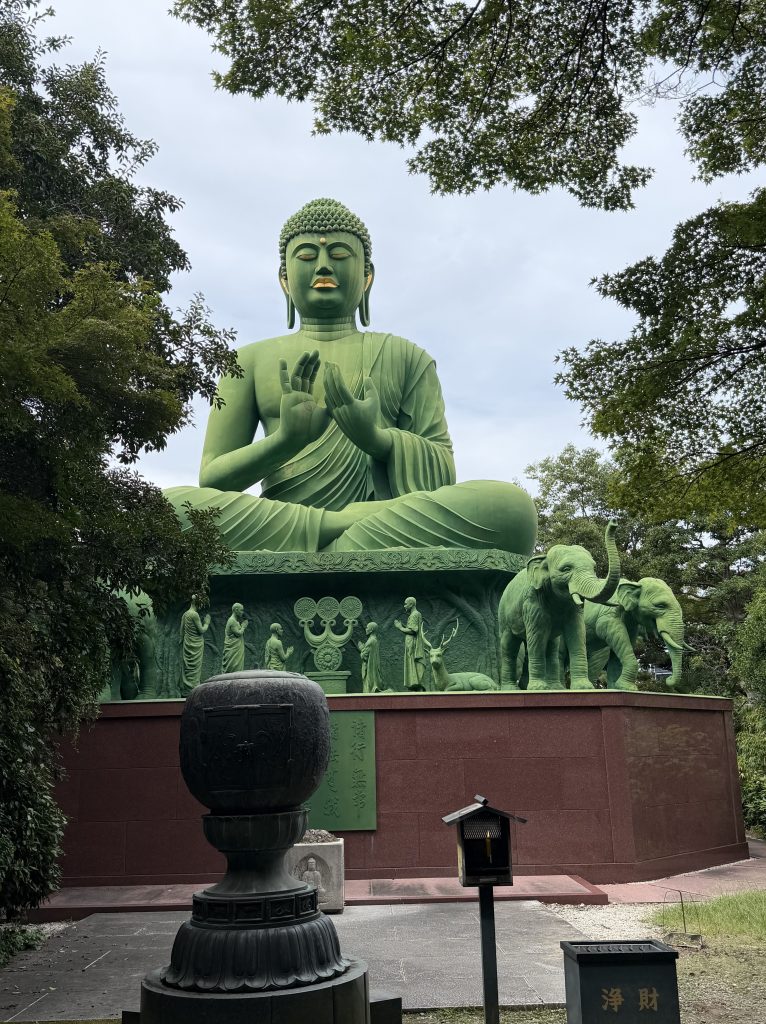
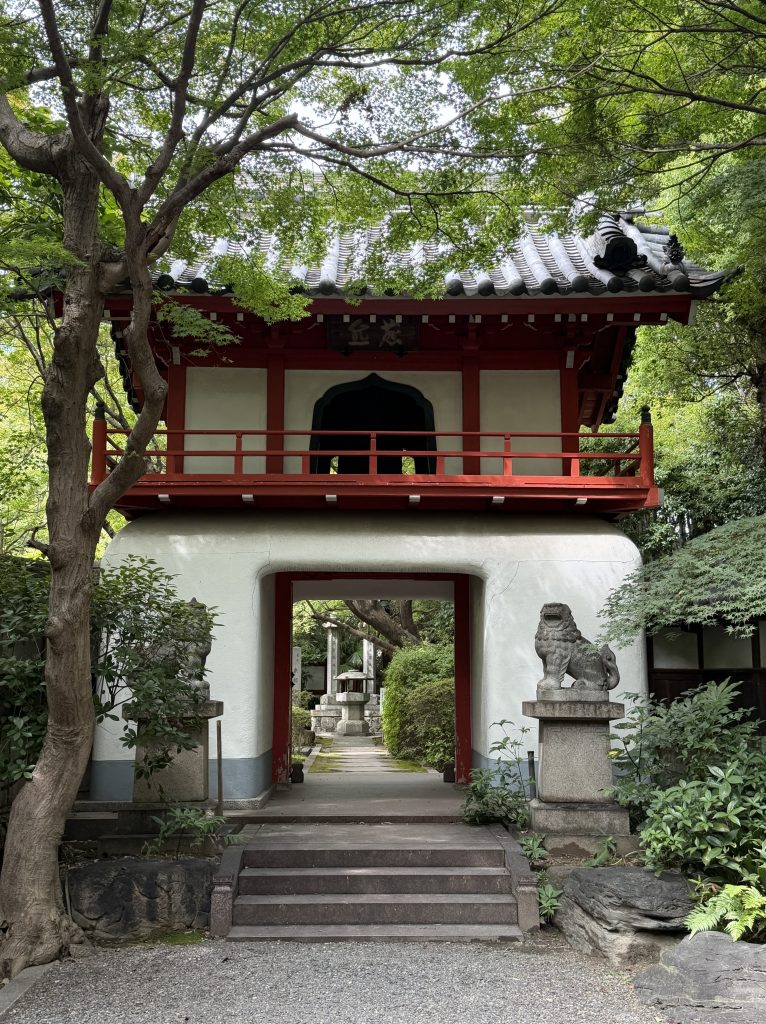
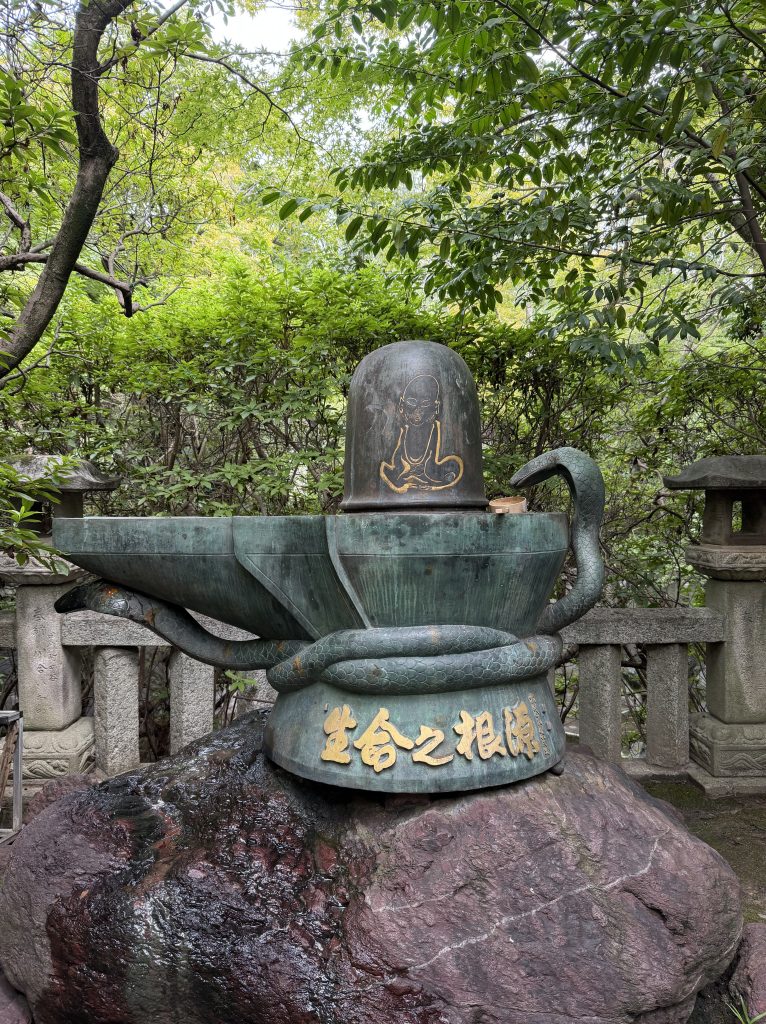
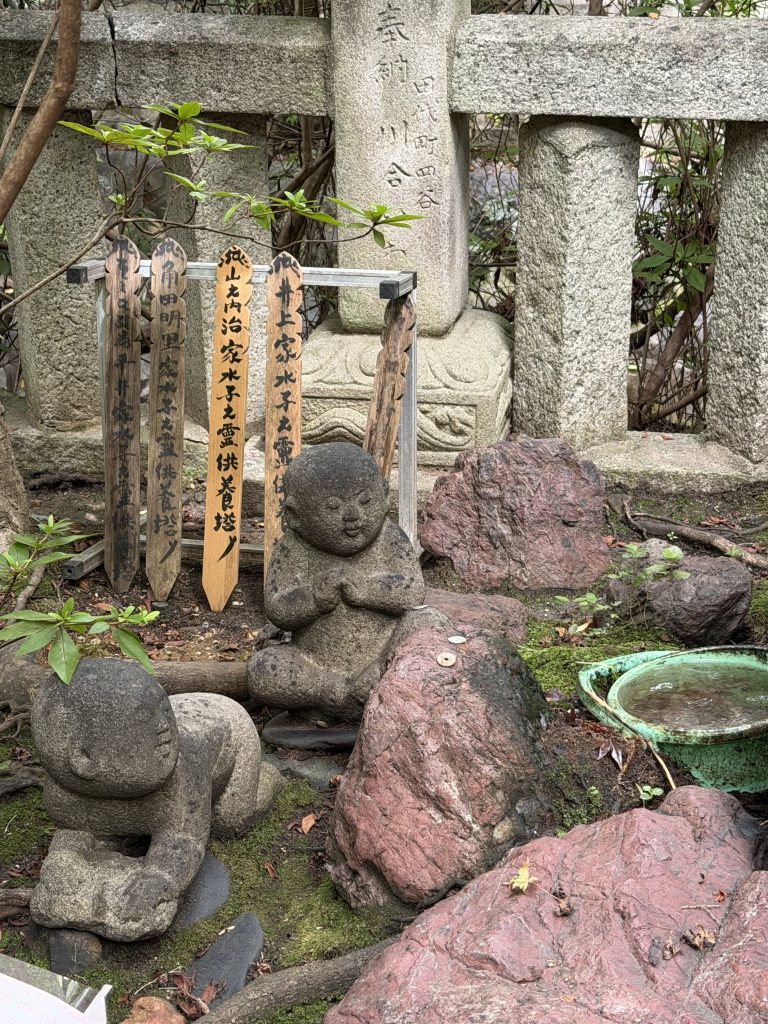
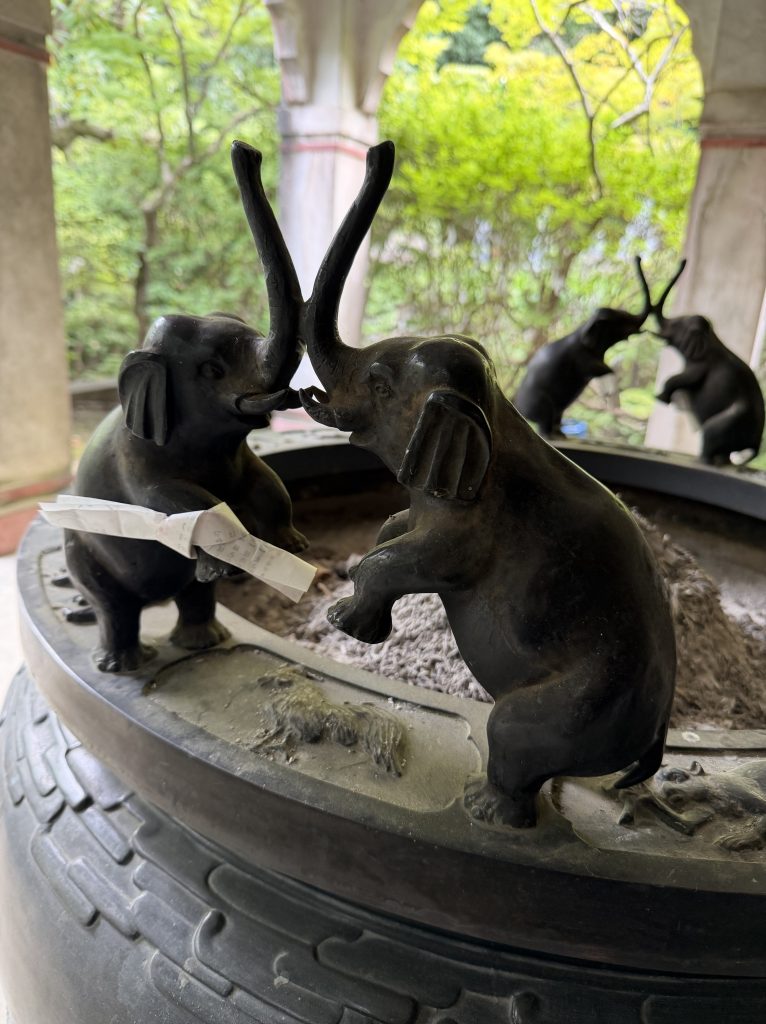
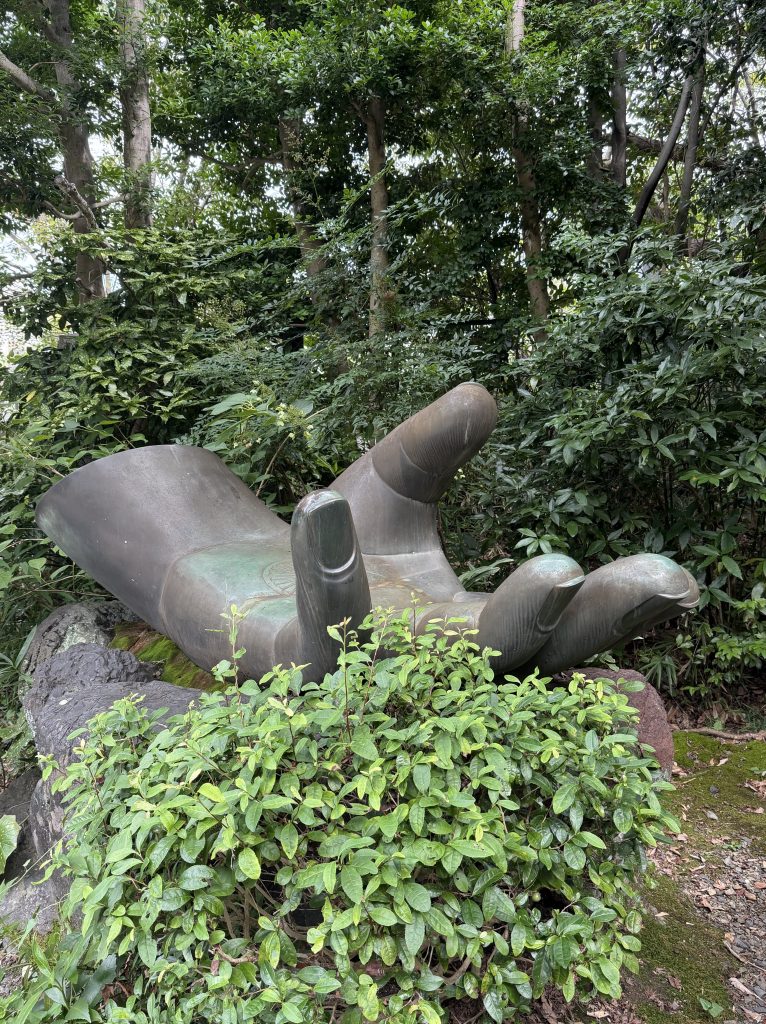
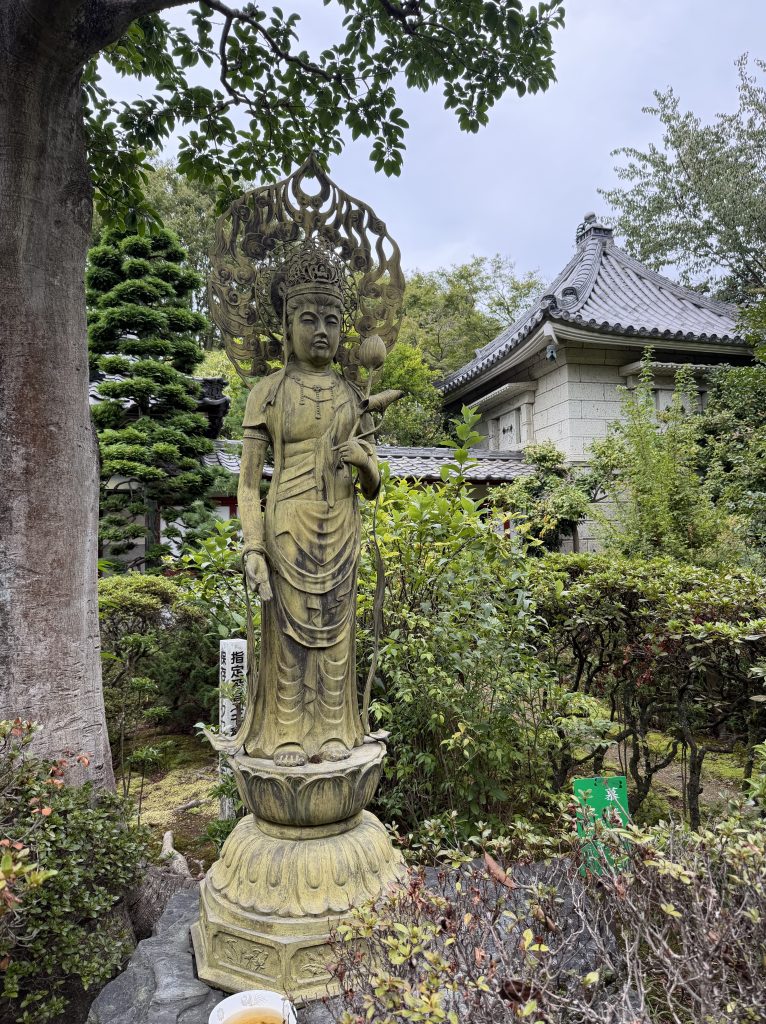
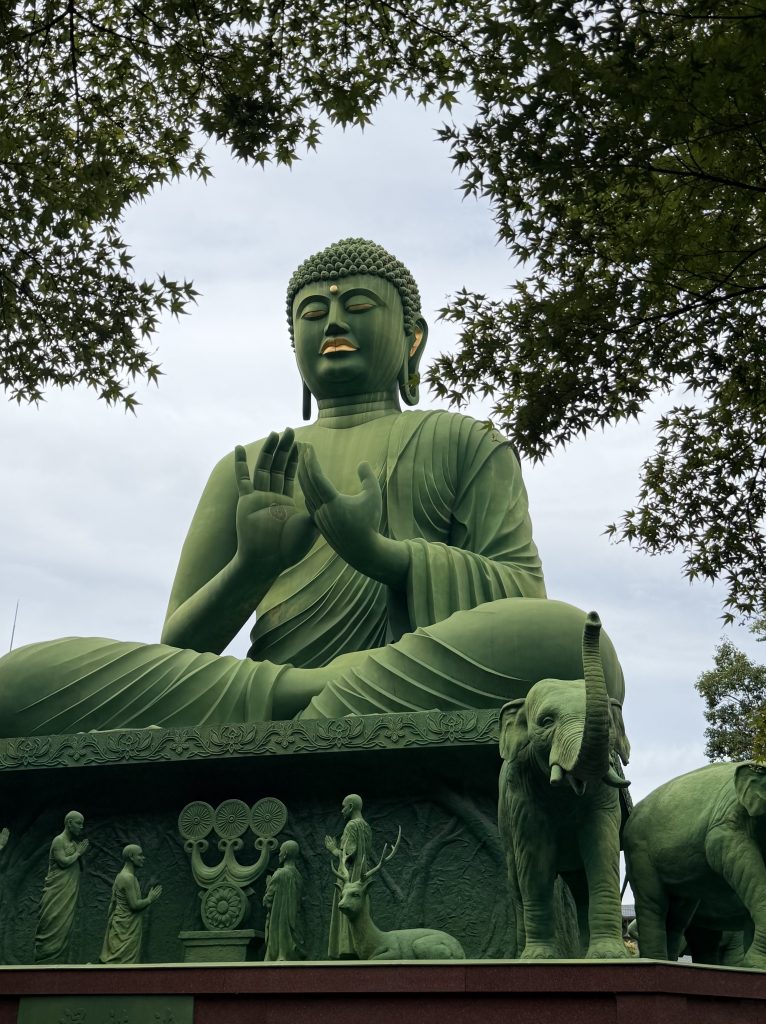
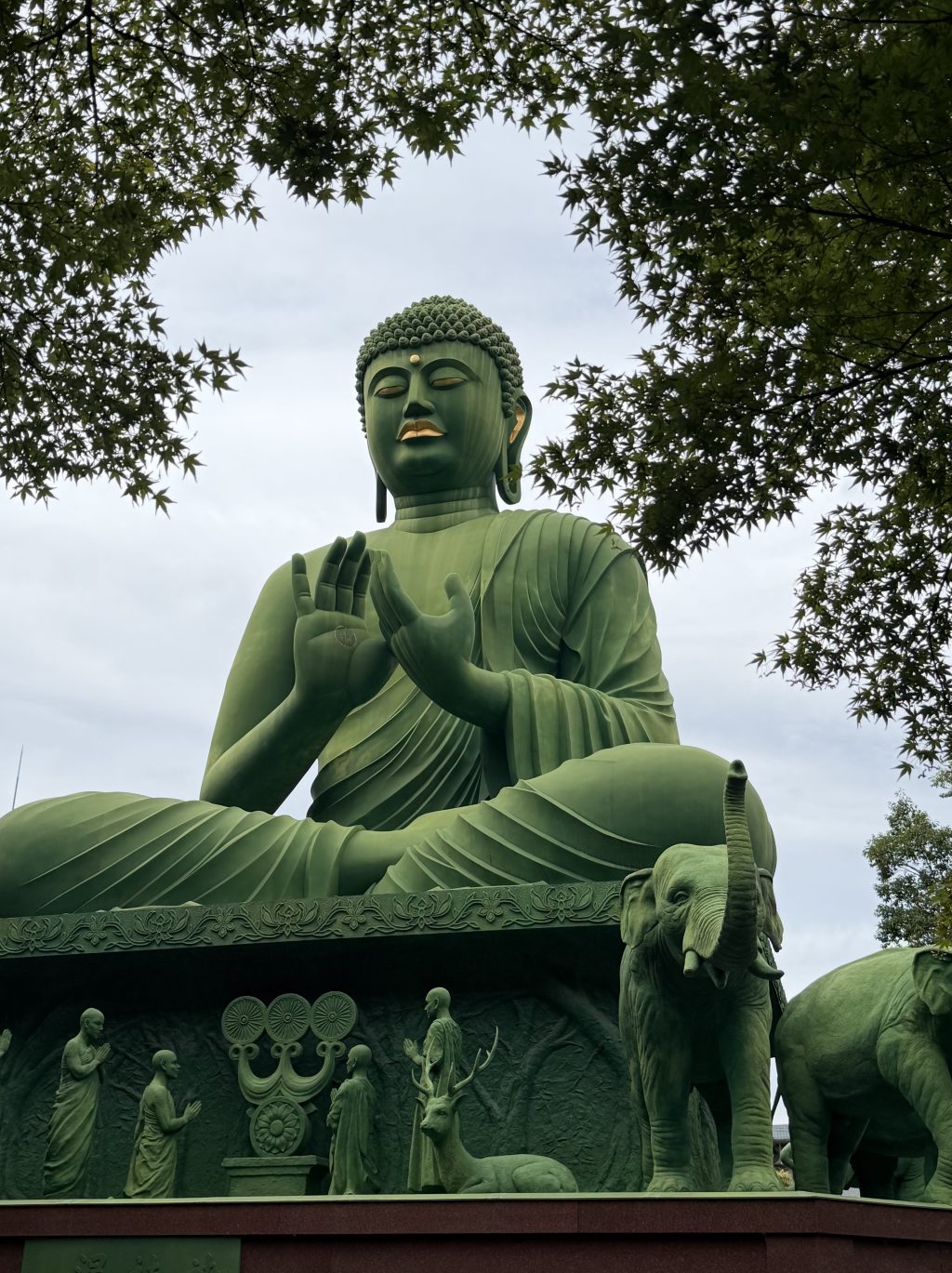
Another incredible spot with deep historical ties is Tōgan-ji Temple, located about 30 minutes from our house in the Chikusa Ward. Founded in the 16th century by Oda Nobuyuki to honor his father, Oda Nobuhide, then moved to its current site in 1712, the temple has a direct connection to the family of the famous unifier of Japan, Oda Nobunaga. Hidden within a dense bamboo grove in a residential area, the grounds feel distinct from other local temples due to their unique, Indian-inspired Buddhist iconography. The most striking feature is the massive, 10-meter-tall Great Buddha of Nagoya—originally erected in 1987 and later given its vivid emerald green paint job in 2006—supported by a pedestal wrapped in stone elephants. Inside the main hall, you can also see Japan’s largest mokugyo (wooden temple drum), which is said to wash away past sins if you touch it with one hand.
This was the last site we visited so far, and I’m sure there will be many more to come on our journeys since Japan is home to 85,000 Shinto shrines, 77,000 Buddhist temples, and over 100 historical castles and fortresses still standing! We have barely scratched the surface of what’s waiting to be discovered!
~Amy & Brian
 Amy and Brian Travel Mania!
Leave a comment